How-to
How to remove black mould from walls and silicone
Published
Note: This page contains affiliate links. If you buy through them we may earn a commission at no extra cost to you. Learn more
In short
For small patches on painted walls or ceilings, use a mould remover that is labelled for the surface, following its instructions, with the room ventilated and gloves on. Wipe, rinse and dry the area. Mould in silicone sealant often stains it deeply, so replacing the sealant is usually the lasting fix. Then lower humidity so it does not return.
Products for this job
Compare all 7 products20 L/day
Meaco Arete Two 20L: intelligent humidity mode
Check price on AmazonAffiliate link30 L/day
Pro Breeze 30L/day: humidity sensor and drain hose
Check price on AmazonAffiliate link21 L/day
Ariston Deos 21S NET: set humidity by app
Check price on AmazonAffiliate link
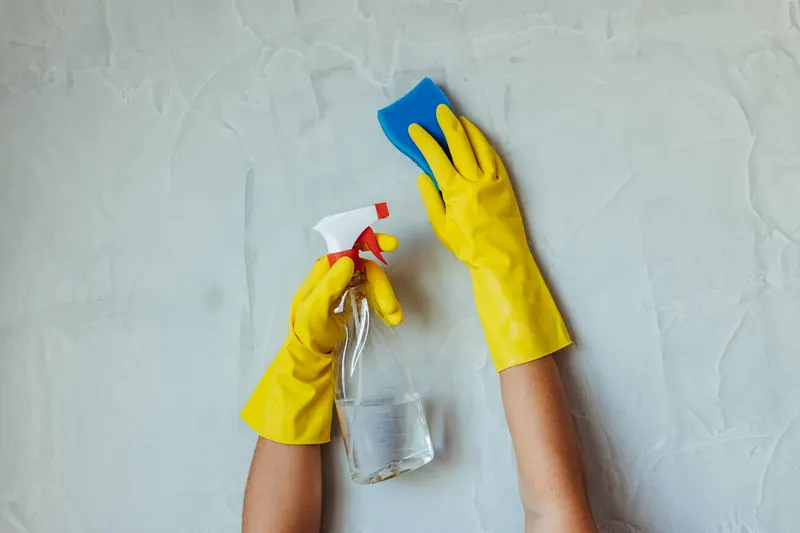
Black spots in corners, around windows and along bathroom sealant are a common sign that a room is too humid for too long. Cleaning removes what you can see, but it will come back unless the conditions change. This guide covers general cleaning steps for walls, ceilings and silicone, the safety points to follow, and the humidity and ventilation changes that stop mould returning. It is general guidance only. Large areas, mould that keeps returning, or mould linked to leaks or structural damp need a professional, and tenants should report it to their landlord.
Before you start
- Check the size: small patches can be cleaned at home; large areas need a professional
- Find the cause: condensation, a leak or penetrating damp
- Ventilate the room well while you clean
- Wear rubber gloves and eye protection; follow the product label for any mask advice
- Read the label of any cleaner fully
Note:Never mix cleaning products, especially bleach-based products with acids or ammonia-based cleaners, as this can release harmful gases. Use one product at a time, as the label directs, and keep the room ventilated.
Cleaning walls and ceilings
On painted walls, test a small hidden area first in case the cleaner marks the paint. Once dry, a mould-resistant paint made for kitchens and bathrooms can be used on the area, following the maker's instructions.
Wallpaper that is mouldy is hard to clean without damage; removing and replacing it once the wall is dry is often the better fix.
- 1
Open a window and close the door to the rest of the house.
- 2
Lay an old sheet below the area to catch drips.
- 3
Apply a mould remover labelled for the surface, following the instructions and contact time.
- 4
Wipe gently with a cloth rather than dry brushing, which spreads spores.
- 5
Rinse the area with a clean damp cloth if the label says so.
- 6
Dry the surface thoroughly.
- 7
Bag and throw away the cloths you used.
- 8
Wash your hands and any clothes you wore.
Cleaning silicone sealant
Mould on bathroom and kitchen sealant often grows into the silicone rather than sitting on top. A mould remover made for sealant may lighten it, but stains frequently remain. Where it keeps coming back, the lasting fix is to cut out the old sealant, clean and fully dry the joint, and apply fresh sanitary silicone, leaving it to cure as the tube directs before using the shower or bath.
After showers, wiping the sealant and tiles dry and running the extractor fan for a while makes a big difference.
Stop it coming back
Mould needs moisture. The long-term fix is lowering humidity and keeping surfaces from getting wet. Keep rooms around 50 to 55 % RH, use extractor fans while cooking and showering, open trickle vents, dry washing with a dehumidifier, and move furniture away from cold outside walls so air can circulate.
A dehumidifier is often the most effective step in a room where mould keeps returning. Our condensation guide and dehumidifier humidity settings give targets and habits.
| Where | Usual cause | What helps |
|---|---|---|
| Window reveals | Condensation on cold glass and frames | Ventilation, dehumidifier, wipe daily |
| Bedroom corners | Cold external walls, overnight moisture | Steady heat, dehumidifier, move furniture |
| Behind wardrobes | Cold wall, no airflow | Gap behind furniture |
| Bathroom sealant | Shower moisture | Extractor fan, wipe dry, replace sealant |
| Ceiling corners | Cold spot or leak | Check insulation and roof |
When to call a professional or your landlord
Call in a professional if mould covers a large area, keeps returning after cleaning and humidity changes, appears with a leak or stain that spreads after rain, or is in places you cannot clean safely. Damp behind mould may be penetrating or rising damp rather than condensation; see how to treat damp walls.
If you rent, report damp and mould to your landlord in writing, with photos and dates. GOV.UK explains landlords' responsibilities for repairs. Do not cover mould with paint or wallpaper without first dealing with the cause.
A simple routine
A few minutes a day stops most mould from getting established. Pair those habits with a dehumidifier in the worst room and many homes see the problem fade over a winter.
- Wipe condensation from windows each morning
- Run the extractor during and after showers and cooking
- Check humidity weekly with a hygrometer or the dehumidifier reading
- Keep furniture a few centimetres from outside walls
- Clean small new spots promptly, before they spread
Frequently asked questions
What is the best way to remove black mould from walls? Use a mould remover labelled for the surface, following its instructions, with ventilation and gloves. Wipe, rinse if directed, dry, then fix the humidity that caused it.
Can I remove black mould from silicone? Surface mould may lighten with a sealant mould remover, but staining often stays. Replacing the sealant is usually the lasting fix.
Why does black mould keep coming back? The room is still too humid or a surface stays cold and wet. Lower humidity, ventilate, and check for leaks or other damp.
Will a dehumidifier stop mould? It helps by lowering humidity, which makes mould far less likely to return. It does not remove existing mould, which needs cleaning.
What you need
- Check price on AmazonAffiliate link
Meaco Arete Two 20L: 38 dB and H13 HEPA filter