Guide
Are dehumidifiers worth it in a UK home?
Published
Note: This page contains affiliate links. If you buy through them we may earn a commission at no extra cost to you. Learn more
In short
A dehumidifier is worth it if your home has regular condensation on windows, damp or musty rooms, or you dry washing indoors. It removes water from the air so less of it lands on cold walls and glass, and it speeds up indoor drying. It will not fix leaks, rising damp or penetrating damp, which need repairs. If your home is dry and well ventilated, you may not need one.
Products for this job
Compare all 8 products20 L/day
Meaco Arete Two 20L: 38 dB with Wi-Fi app
Check price on AmazonAffiliate link30 L/day
Pro Breeze 30L/day smart dehumidifier with app
Check price on AmazonAffiliate link21 L/day
De'Longhi DDSX220WFA: 21 L/day with Wi-Fi and HEPA
Check price on AmazonAffiliate link
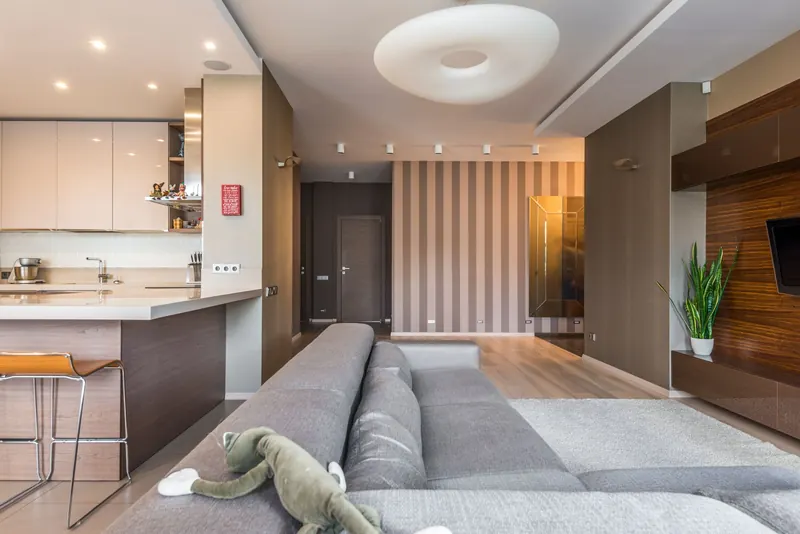
Dehumidifiers are one of the most common appliances bought for British homes in autumn, often after a winter of wet windows or a few black spots appear on a wall. But they are not the answer to every damp problem. This explainer covers the signs that a home would benefit, what a dehumidifier can and cannot do, the running hours and energy to expect, and how to pick the right type. It focuses on the building and laundry side. For any health questions, speak to your GP or NHS 111.
Signs your home would benefit
These are the signs that most often point to too much moisture in the air. One or two on their own may be fixed with ventilation. Several together usually mean a dehumidifier will help.
- Windows wet with condensation most mornings
- Black spots in corners, around windows or behind furniture
- A musty smell in some rooms or cupboards
- Washing that takes more than a day to dry indoors
- Peeling paint or wallpaper in cold rooms
- A hygrometer regularly reading above about 65 % in heated rooms
What a dehumidifier can do
A dehumidifier pulls water out of the air and collects it in a tank or sends it down a drain. Lower humidity means a lower dew point, so fewer surfaces fall below it and condensation reduces. Clothes dry faster because the air around them can take up more water. Musty smells from damp air often fade.
It works best alongside ventilation and steady heating. Extractor fans remove moisture at the source, heating keeps surfaces warmer, and the dehumidifier deals with what is left. Our explainer on dew point and condensation shows why lowering humidity works.
What it cannot fix
Some damp problems come from the building rather than the air. A dehumidifier may dry the air in the room, but the source keeps supplying water, so the problem returns.
| Problem | Dehumidifier helps? | Better fix |
|---|---|---|
| Condensation on windows and walls | Yes | Plus ventilation and heating |
| Drying washing indoors | Yes | Laundry mode in a small room |
| Musty cupboards and rooms | Often | Plus airflow |
| Rising damp | No | Damp survey |
| Penetrating damp after rain | No | Gutters, pointing, roof repair |
| Plumbing leak | No | Plumber |
Running hours and energy to expect
With a humidity target set, a dehumidifier runs until the room reaches it and then stops extracting. In a heated home in winter, many people run one for several hours a day, more during laundry. A compressor model typically draws around 150 to 300 W, so an hour of extraction uses roughly 0.15 to 0.3 kWh. Desiccant models draw more, often 300 to 650 W.
To see what that means on your bill, multiply kWh by your unit rate. Our dehumidifier running costs article has tables, how long to run a dehumidifier covers hours, and the running-cost calculator does the sums.
Choosing the right type and size
Pick the type for the room temperature first. Compressor models suit heated homes and are efficient in warm rooms. Desiccant models suit garages, cellars and cold rooms, as their output holds up in the cold, and they add a little warmth. Then pick the size: 10 to 12 litre models for flats and small houses, 20 litre models for family houses, regular laundry or damp homes. See what size dehumidifier do I need.
Our guide to the best dehumidifiers for UK homes covers both types, and the best dehumidifiers under 300 guide focuses on branded mid-range models.
Alternatives to try first
If the signs are mild, try the free fixes before buying anything. Run extractor fans while cooking and showering and for a while after. Open windows wide for a few minutes each morning. Keep lids on pans. Dry washing outside when the weather allows. Keep furniture a few centimetres off outside walls and keep heating steady rather than on and off.
Moisture absorbing tubs and crystal traps can help in a small cupboard, but they remove only a small amount of water compared with an electric dehumidifier. Our dehumidifier vs damp traps comparison covers the difference.
Frequently asked questions
Do I need a dehumidifier? If you have regular condensation, musty rooms or dry washing indoors often, a dehumidifier usually helps. If your home stays dry with ventilation, you may not need one.
Is a dehumidifier good for health? We do not make health claims. A dehumidifier lowers humidity and condensation in the home. For health questions, speak to your GP or NHS 111.
Will a dehumidifier stop mould coming back? It reduces the condensation that mould from damp air relies on, which helps. It will not fix mould caused by leaks or rising damp.
How many hours a day should I run a dehumidifier? There is no fixed figure. Set a target of around 50 to 60 % and let the humidistat decide. Run it longer when drying washing.
What you need
- Check price on AmazonAffiliate link
Meaco Arete Two 20L: 38 dB and H13 HEPA filter
- Check price on AmazonAffiliate link
Pro Breeze 30L/day: humidity sensor and drain hose